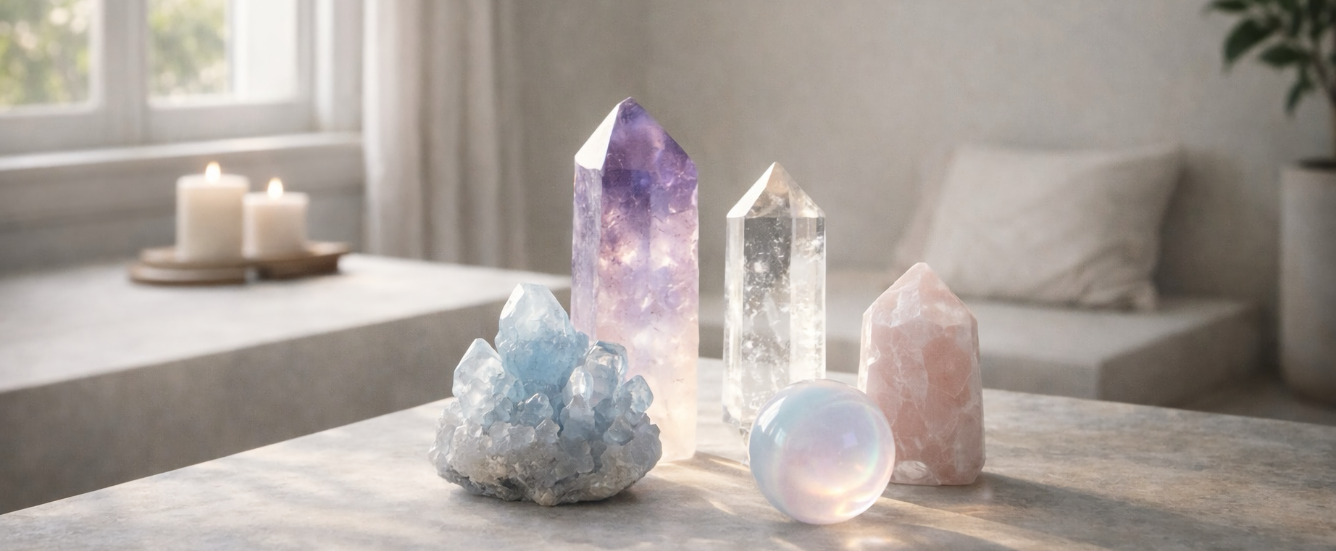

These days, if you visit a home, office, or shop, you are bound to come across certain common Vastu objects. You might see a Swastik symbol at the entrance, a bamboo plant, or a pyramid or crystal object on a desk.
However, the interesting thing is that while most people see these objects daily, they are often unaware of their meaning. Are they merely for decoration, or do they hold a deeper significance?
Vastu is not just about directions and spatial arrangements; symbolism is also a crucial aspect. Certain objects serve as reminders of positivity, discipline, growth, and balance. This is why these Vastu objects have been a part of people’s homes and workplaces for years.
So, today we will discuss 10 popular Vastu objects and understand why people attach so much importance to them.
1. Vastu Pyramid
Let’s begin with the Vastu Pyramid.
The pyramid is considered one of the most fascinating structures in the world. Due to this unique shape, the pyramid is regarded as a symbol of stability, focus, and concentration.
The use of pyramids in Vastu gained popularity because their geometry is considered a balanced structure. Many people place them in study rooms, on office desks, or in various areas of their homes.
From a psychological perspective, the pyramid shape symbolizes focus and direction— just as having a vision is necessary for continuous improvement and greater success.
For this reason, the pyramid is often seen as a symbol of ambition, growth, and progress
2. Wind Chime
Now, let’s discuss wind chimes.
Just imagine how peaceful the atmosphere feels when a gentle breeze blows, and you hear the soft sound of a wind chime.
In Vastu, sound symbolizes flow and energy within our space. When energy in a space feels stagnant, it naturally leads to a sense of boredom and heaviness. The gentle sound of a wind chime makes the environment feel lively and active.
That is why wind chimes are considered symbols of positivity and freshness.
However, remember that the purpose of a wind chime goes beyond just the sound it produces. It serves as a reminder that movement and change are essential in life. Where movement ceases, growth slows down.
3. Black Tourmaline
Now, let’s look at a Vastu object that is gaining significant popularity these days—Black Tourmaline.
Black Tourmaline is a natural crystal stone regarded as a symbol of protection and grounding.
In today’s world, we all live amidst stress, negativity, and information overload. Between social media, workplace pressures, and personal responsibilities, we often find ourselves mentally exhausted.
It is in this context that people prefer keeping Black Tourmaline in their workspaces or homes. Many believe it serves as a symbolic tool for absorbing negative vibes and keeping the mind grounded.
Whether or not you subscribe to beliefs regarding crystals, one thing is clear: when we view an object as a symbol of protection and stability, it can make us feel mentally stronger.
For this reason, Black Tourmaline holds a special place on the list of modern Vastu objects.
4. Laughing Buddha
Now, about the Laughing Buddha.
You may have noticed that the most distinctive feature of the Laughing Buddha is his smile; perhaps that is precisely why he is so popular.
In today’s fast-paced world, people chase success so relentlessly that they often forget about happiness. The Laughing Buddha teaches us a simple lesson: while wealth is important, happiness is even more so.
His cheerful appearance is considered a symbol of positivity, abundance, and contentment. That is why many people keep one in their homes and offices to create a light and welcoming atmosphere.
5. Lucky Bamboo Plant
Now, let’s discuss the Lucky Bamboo plant.
If you observe bamboo closely, you will notice that it is incredibly flexible. Whether faced with strong winds, heavy rain, or changing weather, bamboo adapts effortlessly. This very quality makes it a symbol of growth and adaptability.
In both life and business, success comes to those who know how to adapt to changing situations; the bamboo plant reminds us of this very lesson.
Moreover, green plants naturally make any space feel fresh and vibrant. That is why the bamboo plant is regarded as a symbol of positivity and growth.
6. Crystal Ball
The next object is the Crystal Ball.
The most distinctive feature of a crystal is its transparency. When light strikes a crystal, it reflects and disperses. For this reason, the crystal is viewed as a symbol of clarity and clear thinking.
Whether in business, career, or personal life, confusion often leads to poor decision-making. The crystal ball reminds us that growth becomes difficult without clarity. Many people keep one on their study or office desks, embracing this symbolic meaning.
7. Elephant Statue
The elephant has long been a significant symbol in Indian culture and traditions. It is regarded as an emblem of strength, wisdom, and leadership.
If one looks at the hierarchy of the wild, the elephant is known for its intelligence and calm demeanor; it possesses great power without resorting to unnecessary aggression.
Consequently, the elephant statue is considered a symbol of authority, confidence, and stability.
Many business owners and professionals keep elephant figurines in their offices to represent these qualities.
8. Kamdhenu Cow
Kamdhenu is revered in India’s ancient traditions. She is regarded as a symbol of abundance, nourishment, and blessings.
However, in practical terms, Kamdhenu teaches us the importance of gratitude. Everyone desires growth today, yet without gratitude, growth never feels truly fulfilling.
For this reason, the symbolism of Kamdhenu extends beyond mere prosperity; it is also deeply connected to blessings and contentment.
9. Swastik Symbol
The Swastik is one of India’s oldest and most powerful symbols. The very word “Swastik” signifies “auspiciousness” or “well-being.”
For centuries, this symbol has been used when starting new ventures, during festivals, and on auspicious occasions. Drawing the Swastik is a common tradition whenever a new business is launched or an auspicious event takes place at home. It is considered a symbol of positivity, progress, and good intentions.
10. Brass Urli
The final Vastu object on our list is the Brass Urli. You have likely seen water-filled urns at the entrances of luxury homes, hotels, and offices.
Both water and flowers symbolize freshness and beauty. When a guest sees a beautifully decorated urli at the entrance, it instantly creates a welcoming feeling.
For this reason, the urli is considered a symbol of hospitality, elegance, and a positive first impression. And honestly, the energy of any space is largely determined by the impression it makes right at the start.
Conclusion
People may hold varying opinions about Vastu objects, but one thing is clear: their significance goes beyond mere aesthetics or placement. Each Vastu object carries a concept, symbolism, and a message. The pyramid reminds us of focus and direction; Black Tourmaline symbolizes stability and protection; bamboo represents growth and flexibility; while the elephant embodies wisdom and leadership.
The fundamental purpose of Vastu has never been merely to accumulate objects. In reality, these objects serve to make us more aware of our surroundings and our mindset. When a space possesses balance, cleanliness, and positivity, it can positively influence a person’s thoughts, emotions, and productivity.
Therefore, rather than viewing a Vastu object merely as a decorative item, it is far more important to understand the meaning behind it. Ultimately, Vastu is not just about the walls of a home, but about the environment where we spend most of our time. And when that environment is balanced and pleasant, many aspects of life naturally begin to feel better.