
A business location is more than just an address.

When starting a business, we typically consider three factors: the prominence of the location, the rent, and accessibility for customers. However, an interesting question arises: is every attractive location equally suitable for every business? Consider two shops in the same market. Both have good visibility and similar rents, yet one business grows consistently while the other repeatedly faces challenges. From the perspective of Numerovastu, a location is not viewed merely as a physical address. The numbers and directions associated with a location can align with the business’s overall energy pattern. Therefore, when choosing a business location, it is important to look not just for the “best area” in general, but for the “best area for my business and my numbers.” Step 1: First, Understand the Nature of the Business The very first rule—identify the nature of the business before choosing a location. Every business has different requirements. For instance, a retail store needs high customer footfall and visibility. A consultancy office might require a professional environment, trust, and stability. For a manufacturing unit, operational efficiency, space, and ease of movement might be more important. Similarly, the same location cannot automatically be considered ideal for both a restaurant and a Chartered Accountant’s office. In other words, the first question shouldn’t be: “Which direction is the luckiest?” The first question should be: “What type of energy and environment will support my business?” This is where the Numerovastu approach becomes interesting. Step 2: The Role of Directions Now, let’s discuss directions. In Vastu, different directions are associated with specific qualities and functions. Traditionally, the North is linked to opportunities, movement, and financial growth. The East is considered important in terms of visibility, new beginnings, recognition, and growth-oriented activities. The South is associated with action, intensity, and execution-oriented energy. And the West is linked to aspects of stability, completion, and gains. However, there is an important point to understand here— Directions should not be treated as isolated formulas. Simply assuming that “it is the North, so the business will succeed” is not enough. A more meaningful approach involves a comprehensive evaluation that considers the entrance, internal layout, surrounding environment, the nature of the business activity, and numerical factors—all together. Step 3: Look at the Property Number Now comes the numerology aspect. When considering a commercial property, its property number, shop number, office number, or unit number can also be part of the numerological analysis. For example, if a property number is 245, numerology allows us to determine its single-digit vibration by adding the digits together: 2 + 4 + 5 = 11 And by further reducing it: 1 + 1 = 2 Thus, the property number can be associated with the vibration of the number 2. However, simply asking “Is 2 good or bad?” is an incomplete approach. The important question is— “Is this number compatible with the business owner and the nature of the business?” This is why a property might feel supportive for one person, whereas the same number might not be as suitable for a different business. Step 4: The Owner’s Number Also Matters Let’s assume two people are starting the same type of business. Both have the same budget, are in the same city, and have the same type of property. Yet, the same location might not be equally suitable for both of them. Why? Because there is a person behind the business. In numerology, the owner’s date of birth can be used to analyze their moolank (Root Number) and other relevant numbers. Subsequently, one can assess the compatibility of these with the property number and business requirements. For instance, if an entrepreneur’s numerical profile supports a specific vibration, harmonizing the property number with that vibration can become part of the analysis. In other words, the approach to selecting a location could look something like this: Owner → Business → Property Number → Direction → Layout. Considering all these factors together. Step 5: Connect Business Type, Number, and Direction Let’s look at a practical example. Suppose an entrepreneur wants to start a consulting business. Simply choosing a high-footfall market wouldn’t be enough for them. Their business also requires client trust, a professional image, a focused environment, and long-term stability. On the other hand, consider a fashion retail store. For such a business, factors like visibility, customer flow, presentation, and accessibility might be more important. And if someone is starting a food business, then location access, movement, kitchen planning, operational flow, and the surrounding environment could be critical. Therefore, a universal formula— “Just choose North for the business”—is not a practical approach. A better approach is: Identify the business requirements, analyze the direction, calculate the number, and then assess compatibility. Step 6: Don’t Overlook the Address—It’s Not Just About the Shop Number Here is another interesting aspect: we often focus on the property number but completely ignore the full address. Different systems of numerological analysis offer various approaches to considering the different components of an address. However, from a practical standpoint, the most important thing is that a number should not be interpreted in isolation, without considering the context. Suppose the property number appears favourable, yet the location suffers from poor customer access, problematic entrance planning, an unsuitable surrounding environment, or fails to meet the business’s operational requirements. In such a case, finalizing the property based solely on the number would not be a wise decision. Numbers can serve as a lens, but they should not be the sole deciding factor. Step 7: Pay Special Attention to the Entrance Now, there is a crucial factor in selecting a commercial location: the entrance. It is important not to equate the property’s facing direction with the actual location of the entrance. You should separately analyze the direction in which the office or shop entrance opens, its specific placement, the flow of entry, and the spatial arrangement upon
A Beginner’s Guide For Home Vastu

Have you ever noticed that upon entering certain homes, you instantly feel a distinct sense of peace? Conversely, there are homes where, despite everything being perfect, the mind feels restless. The furniture is expensive, and the interiors are luxurious, yet the home lacks that essential warmth and positivity. Why is that? This is where understanding Vastu begins. Many people believe that Vastu is merely about checking directions, applying specific remedies, or placing certain objects in the house. In reality, however, Vastu is a far more practical concept. It is considered a science not just of building a house, but of planning and organizing a home so that every space fulfills its optimal purpose. If you are a complete beginner to Vastu and are wondering where to start, it is essential first to grasp the basic principles. Only when the foundation is clear does further understanding become meaningful. What exactly is Vastu? Let’s start with a simple example. If a conference room were built where the reception should be, the accounts department was placed at the entrance, and a meeting cabin was situated between the pantry and the workspace, the entire workflow would be disrupted. Everything is still within the office, yet efficiency drops simply because the placement is incorrect. In much the same way, a home is not merely a collection of walls and rooms. Every space has a purpose, and every direction is believed to hold a symbolic role. The objective of Vastu is not to instill fear or impose restrictions. Its purpose is to arrange the spaces within a home so that daily life becomes more organized, comfortable, and balanced. That is why “Logical Vastu” goes beyond mere beliefs; it places equal importance on practicality and functionality. The Connection to the Five Elements (Panch Tatva) The foundation of Vastu rests on the *Panch Tatva*—the five elements: Earth (Prithvi), Water (Jal), Fire (Agni), Air (Vayu), and Space (Aakash). If you look closely, these five elements are already present in every home. When these elements are integrated through practical planning, the home naturally feels more comfortable and functional. This is why Vastu is not limited to mere directions; it is a holistic approach to balancing the entire living environment. Understand Directions in Simple Terms It is easier to remember directions by understanding their purpose rather than relying on complex terminology. There is no need to feel overwhelmed by these directions; they should be viewed simply as guidelines rather than as rules that instill fear. Essential Home Vastu Tips for Beginners If you are just starting to follow Vastu principles, your primary focus should be on daily habits rather than expensive remedies. First, pay attention to the home’s entrance. The entrance is not merely a door; it creates the home’s first impression. If this area is cluttered, dirty, or neglected, the overall look and feel of the home are compromised. The second step is to clear away unnecessary clutter. We often hold onto broken clocks, damaged electronics, cracked utensils, or old items simply because they might come in handy someday. In reality, however, such items merely take up storage space. Natural light and ventilation should not be overlooked. Fresh air and sunlight are crucial not only for Vastu but also for physical health and mental well-being. Keeping the kitchen clean and organized should also be a fundamental habit. Regardless of the kitchen’s directional placement, cleanliness and hygiene are its greatest assets. Similarly, in areas like the North-East, maintaining openness is considered a more practical approach than filling the space with heavy storage or unnecessary items. Some Common Myths Every Beginner Should Know Most of the confusion surrounding Vastu stems from myths. The first myth is that Vastu is the reason behind every problem in life. In reality, the directions of one’s home do not solely determine a person’s success or failure; factors like hard work, sound decision-making, financial planning, skills, and relationships play a far more significant role. The second myth is that following Vastu requires demolishing the entire house. This is certainly not the case in every instance. Often, significant positive changes can be achieved simply by improving the layout, organization, and utilization of space. The third myth is that a Vastu remedy found on the internet that works for one home will work for everyone. Every home has a unique layout, and every family has different requirements. Therefore, Vastu should not be viewed as a “copy-paste” formula. Conclusion If Vastu is viewed solely through the lens of directions and remedies, it can seem quite complicated. However, when understood from the perspective of practical planning, organization, and balanced living, it becomes a very simple and logical concept. Therefore, always start with the basics: keep your home clean, minimize clutter, prioritize natural light and ventilation, use each room according to its intended purpose, and do not believe in any myths without a full understanding. Remember, a good home is not defined merely by beautiful interiors. A good home is one where functionality, comfort, and harmony coexist—and creating this harmony is the true objective of Vastu.
Vastu Guide For Every Moolank
Do you think Vastu is only for those building a house? Or is Vastu merely about checking directions? And did you know that your date of birth can reveal which direction of your home has the greatest impact on your life? When Numerology and Vastu come together, a unique combination is created. Today, in this blog, we will discuss Vastu tips based on your Moolank (Root Number), where a specific direction holds significance for each number. If the energy of that direction is balanced, it can provide better support for your career, health, relationships, and personal growth. What is a Moolank? First, let us understand what a Moolank is. Your Moolank is simply the single-digit reduction of your birth date. For example— 1, 10, 19, 28 = Moolank 1 2, 11, 20, 29 = Moolank 2 And so on, up to 9. Please note this information is based on general guidelines. The complete Vastu of a home cannot be determined solely by looking at the Moolank. However, if you keep the direction associated with your Moolank balanced, you can utilize the positive energy of that direction more effectively. Now, let’s look at which direction is considered important for each Moolank. Moolank 1 – East Direction Moolank 1 represents the energy of the Sun. These individuals naturally possess leadership qualities. They value fame, recognition, and respect. The East direction is very important for them. If the East direction is clean, open, and bright, it supports confidence, decision-making, and opportunities. Avoid heavy clutter, a storeroom, or unnecessary items in this direction. Ensure that morning sunlight enters the home. A bright East direction can further enhance leadership energy. Moolank Number 2 – North-West Direction Individuals with Root Number 2 are emotional, caring, and relationship-oriented. Balancing the North-West direction is considered important for them. If the North-West is disturbed, it can lead to misunderstandings, emotional imbalance, or unnecessary stress. Keep this direction airy and clean. Avoid keeping broken items or excessive clutter here. A balanced North-West supports healthy communication and better relationships. Moolank Number 3 – North-East Direction Root Number 3 is associated with knowledge, wisdom, and guidance. This Root Number is quite common among teachers, mentors, and professionals in the management field. The North-East direction holds great significance for them. Keep this direction as clean and uncluttered as possible. Issues such as dust, heavy storage, or a toilet in this area can disrupt the energy. If possible, locate your meditation or prayer space in this zone. It supports learning, clarity, and growth. Moolank Number 4 – South-West Direction People with Root Number 4 are disciplined, practical, and hardworking. Stability is very important for them. Therefore, the South-West direction should be strong and balanced. Avoid unnecessary movement, space, or instability in this area. Placing heavy furniture or the master bedroom in the South-West generally supports stability. A strong South-West creates a strong foundation. Moolank Number 5 – North Direction Root Number 5 is associated with communication, business, and intelligence. This energy is frequently observed in entrepreneurs, sales professionals, and marketers. For them, a balanced North direction is crucial. Maintain the North zone with a free flow of energy. Heavy blockages or clutter can affect financial flow. An open and well-maintained North area can facilitate opportunities and networking. Moolank Number 6 – South-East Direction Root Number 6 represents luxury, comfort, and family happiness. The South-East direction is significant for individuals associated with this number. This is considered the zone of Fire (Agni). Pay attention to the cleanliness and proper maintenance of the kitchen. Electrical appliances are also linked to this area, so do not ignore damaged wiring or faulty switches. A balanced South-East zone supports family harmony and a good lifestyle. Moolank Number 7 – Brahmasthan Root Number 7 is associated with spiritual growth and deep thinking. The most important area for these individuals is the Brahmasthan—the center of the home. Keep this area as open and clutter-free as possible. Avoid placing heavy furniture or unnecessary storage items here. A clear center improves the flow of energy throughout the entire house. It also brings mental peace and clarity to those with Root Number 7. Moolank Number 8 – West Direction Root Number 8 is associated with discipline, responsibility, and karma. The West direction is considered significant for individuals with this Root Number. Keep the West area clean and well-maintained. Do not delay addressing broken walls, peeling paint, or pending repairs. When this direction is well-maintained, it better supports stability and consistency. Root Number 9 – South Direction Root Number 9 symbolizes courage, energy, and action. Balancing the South direction is important for these individuals. Keep the South direction strong and organized. Avoid broken items, leakages, or neglected maintenance in this area. A balanced South direction can positively influence your determination and confidence. Important Insight Always keep these tips in mind; these tips serve as general guidelines based on your Moolank Number. If there is a Vastu defect in a specific direction of your home, a conclusion cannot be drawn based solely on your Root Number. In Vastu, factors such as the home’s layout, entrance, surroundings, room placement, the five elements, and many others are equally important. Therefore, if you are facing serious issues in life, the right approach is to get a comprehensive, logical Vastu analysis done. Conclusion Small Vastu observations can sometimes lead to significant changes. Therefore, understand your Root Number, pay attention to its direction, and infuse your space with energy that supports your growth and well-being.
The Right Vastu Setup For Successful Home-Based Business

Every morning, you open your laptop with your to-do list ready, along with your clients and the necessary skills. Yet, there are times when motivation is missing, work simply doesn’t get started, client replies are delayed, or—even after a hectic day—it seems as if you have accomplished nothing productive at all. Whatever you are—an independent freelancer, content creator, consultant, coach, trader, or entrepreneur who operates out of your home—faster internet connectivity is only one part of the equation; the energy within your workspace is equally critical. Today, we will discuss how certain logical Vastu principles can transform your home office into a productive, focused, and growth-oriented workspace. 1. Why Does Productivity Drop When Working from Home? First, understand this: the biggest difference between an office and working from home isn’t just the location—it’s the environment. In an office, you have a dedicated desk and a professional atmosphere; the moment you sit down, your mind automatically shifts into “work mode.” At home, however, the situation is completely different. You might work from your bed, the dining table, the sofa, or even in front of the TV. This causes mental confusion. Your physical self is relaxed, yet your mind constantly switches between work, social media, the kitchen, and your family. This disrupts your concentration and gradually reduces productivity. 2. The Connection Between Vastu Energy and a Dedicated Workspace Vastu explains this very concept. Every space has a distinct energy and purpose. The bedroom is used for sleep, dining room for food intake, and the work area for being productive. When we turn every part of the house into an office, our energy becomes scattered. And when energy is scattered, it affects our ideas, concentration, and decision-making abilities. That is why, in freelancing, the right environment plays just as crucial a role as hard work. Therefore, if possible, create a dedicated workspace at home—even if it’s just a small corner. You don’t necessarily need a separate office room; a fixed table and chair are enough. Working from the same spot every day helps your brain develop a pattern. As soon as you sit at that desk, your mind receives a signal that it is time to start working. Psychology supports this, and Vastu principles also state that regularly engaging in positive activities in a specific space activates that area’s energy. On the other hand, if you work from various locations – here today, there tomorrow, and on your bed the next day – it can slowly take a toll on your discipline and productivity. 3. Best Working Direction for Freelancers Let’s talk about direction. A common question is which direction one should face while working. According to Vastu, the East is associated with new ideas, learning, and growth. If you are a writer, designer, architect, video editor, or work in any creative field, facing East can support your creativity. On the other hand, the North is considered a symbol of opportunities, networking, and career growth. If you are a consultant, financial advisor, sales professional, or run a client-based business, you might prefer facing North. However, always remember that simply changing direction won’t make your business grow overnight. Direction is just one factor; desk placement, lighting, cleanliness, and the overall workspace environment are equally important. 4. Desk Vastu: The Impact of Clutter on Productivity Now, picture your desk. How many people have coffee mugs, random papers, old bills, chargers, unnecessary stationery, and sometimes even clothes lying on their work desks? Over time, these things create clutter. Vastu views clutter as stagnant energy, and psychology suggests it creates mental overload. When your brain is constantly exposed to unnecessary objects, your focus naturally gets divided. Therefore, keep only the essentials on your desk—such as your laptop, notebook, pen, and water bottle. Remove broken electronics, damaged wires, dead gadgets, old documents, or useless items. This isn’t just about cleaning; it is also about mental clarity. Desk placement is also significant. Having a solid wall behind you provides a psychological sense of support and stability. Conversely, if there is frequent movement behind you or an entrance gate, your subconscious mind remains on alert, which disrupts your concentration. Similarly, do not make your work desk so comfortable that it turns into a relaxation zone. The purpose of a workspace is to keep you active, so its energy should reflect that active nature. 5. Lighting, Ventilation, and Online Impression Another aspect people often overlook is lighting and ventilation. Today, a significant portion of freelancing and online business relies on Zoom meetings, client calls, and virtual presentations. In this context, it is not just you—your background also shapes the impression you make. A dark room, a cluttered background, and poor lighting can undermine your professional image. Natural light is ideal, as it fosters a sense of freshness and positivity. Additionally, the room should have proper ventilation and fresh air; a confined, stuffy environment can gradually drain your energy levels. The cleaner, brighter, and more organized your workspace is, the more active and focused your mind will feel. Conclusion: Your Workspace Is More Than Just a Table—It Is the Energy of Your Business Freelancing is no longer merely a source of supplementary income; many people are building businesses worth lakhs and crores right from their homes. However, as the office has moved into the home, the responsibility of managing the home environment has also grown. The purpose of Vastu is not to perform magic; rather, its true aim is to create an environment that minimizes distractions, enhances focus, improves decision-making, and enables you to work to your full potential. If you are an independent freelancer, consultant, or entrepreneur, do not perceive your workspace to be merely a nook with furniture alone. Your next premium client, breakthrough idea, or major business milestone might not stem from a new course, but rather from a better-aligned workspace.
Birth Number Can Reveal Your Favourable Bedroom Direction
If we were to ask you, is the bedroom where you sleep actually supporting your growth, or is it unknowingly blocking it? When choosing a bedroom at home, we all look at factors like size, an attached bathroom, or a balcony, but there is one thing almost everyone overlooks… “Is this bedroom actually right for my energy?” And that’s where the real connection of Logical NumeroVatu begins. In today’s blog, we will explore which bedroom direction might be most supportive for you based on your Birth Number—and why. So, be sure to read this blog to the very end; you might just discover that you’ve been sleeping in the wrong bedroom for years. What is a Birth Number? First, a quick clarification: here, we are discussing the Birth Number (also known as *Moolank*). Calculating the Birth Number is very simple; just take the day of your birth.In case your birthday was on the 5th, your Birth Number is 5. If born on the 18th, it is 1+8 = 9. And if born on the 27th, it is 2 + 7 = 9. This resulting single digit is what we call the Birth Number. Each Birth Number is connected to a specific planet and its energy. This means that if the bedroom faces in the direction that corresponds to this energy, the individual will have better sleep, more balanced emotions, better decision-making skills, and positive thinking. However, keep in mind that this is a supportive guideline; a final recommendation can only be made after a comprehensive house plan and Vastu analysis. Birth Number 1 If your Birth Number is 1, you are connected to the energy of the Sun. Qualities such as natural leadership, confidence, authority, and a desire for recognition define you. For such individuals, a bedroom located in the East is considered highly supportive. The East is the direction of the sunrise, representing fresh beginnings and confidence. Having a bedroom in this direction can help a person feel mentally energetic and focused. Birth Number 2 Number 2 corresponds to the energy of the Moon. Individuals with this number possess an emotional, caring, and intuitive nature. A bedroom located in the North-West is considered supportive for them, as this direction helps balance emotional fluctuations. If you tend to overthink or experience emotional ups and downs, the right bedroom placement can make a significant difference. Birth Number 3 Birth Number 3 represents the energy of Jupiter. Knowledge, wisdom, teaching, and growth are their defining traits. A North-East bedroom is considered beneficial for them, as the North-East is the direction of clarity and spiritual intelligence. When such individuals live in a peaceful environment, their planning and decision-making abilities are further strengthened. Birth Number 4 Birth Number 4 represents a practical and disciplined nature. The South direction is generally considered supportive for individuals with this number; it can strengthen stability and determination. If a person seeks consistency in their career, the direction of their bedroom can also support this energy. Birth Number 5 Number 5 is related to the energy of Mercury. Their strengths lie in communication, business, networking, and adaptability. A bedroom facing North is considered supportive for them, as the North is associated with opportunities and career growth. This alignment can be particularly beneficial for those working in marketing, business, or communication fields. Birth Number 6 Birth Number 6 represents the energy of Venus. Luxury, relationships, comfort, and beauty are key traits of this personality type. A South-East-facing bedroom is generally considered supportive for them, as this direction is associated with creativity and material comforts. An aesthetically balanced bedroom can further enhance the positive qualities associated with Venus. Birth Number 7 Individuals with Birth Number 7 are introspective and research-oriented. They are naturally drawn towards knowledge and inner growth. A bedroom located in the West is considered suitable for them, as this direction supports self-reflection and maturity. Such individuals have a strong need for a peaceful environment. Birth Number 8 Birth Number 8 represents the energy of Saturn. Hard work, discipline, responsibility, and patience are their greatest strengths. A South-West bedroom is considered highly beneficial for them; the South-West is the direction of stability and long-term success. This direction is also regarded as significant for business owners and professionals. Birth Number 9 Birth Number 9 is associated with Mars. Courage, action, leadership, and energy define these individuals. A South-facing bedroom can be supportive for them, as this direction helps strengthen confidence and determination. However, keep in mind that if the overall Vastu of the room is imbalanced, the direction alone may not yield the desired results. Important Disclaimer Here is a crucial point. Many people think, “My Birth Number is 5, so I’ll simply move into a north-facing bedroom.” However, reality isn’t quite that simple. In a home, the direction of the bedroom isn’t the only factor that matters; the bedroom’s entrance, bed placement, toilet location, color scheme, mirror placement, and the Vastu of the entire house are equally important. The most important thing is that every house has its own layout. Therefore, your Birth Number is a supporting factor, not a complete solution. When Numerology and Vastu are logically combined, recommendations become far more personalized and effective. Conclusion The right bedroom isn’t just about comfort; it’s also about supporting your natural energy. If you know your Birth Number, consider it a starting point to understand which bedroom direction might best support you. However, for the best results, always seek a personalized analysis that incorporates both Vastu and Numerology.
Vastu Tips For Dining Space: Best Direction, Colors, & Energy
Let us ask you a simple question today: In which room of your house is the most expensive piece of furniture kept? The interesting thing is that we spend lakhs of rupees making our homes beautiful. Yet, the very place where the entire family sits down to eat together is a space that very few people pay attention to. And perhaps that is why, even while living under the same roof, people are becoming emotionally distant from one another. Some eat in front of the TV, others while scrolling through their phones, and some eat in their own rooms. But Vastu suggests that the dining space is not merely a place to eat. It can also become a hub for family bonding, health, and abundance. Today, we will understand that Vastu for the dining area isn’t limited just to direction but also encompasses how the energy of that space affects relationships throughout the entire home. Why is the dining space so important? Just think about it, how often in a day does the family naturally gather in one place? Perhaps only at mealtime. That is why, even in the past, the dining area was considered sacred. Because when people sit together to eat. It isn’t just the body that receives nourishment. According to Vastu, where gratitude and food come together, positive energy naturally increases. That is why planning the dining space is considered so important. Best Direction for the Dining Area Now, for the most common question… In which direction should the dining area be located? The West, North-West, or East sides are generally considered ideal locations. Why? These directions support movement, nourishment, and family interaction. However, this certainly doesn’t mean that if your dining room is in a different direction, everything has gone wrong. The purpose of Vastu isn’t to instill fear but to create balance. If the placement cannot be changed, then energy can still be improved through colors, lighting, furniture arrangement, and cleanliness. That is the logical approach. Dining Table Shape and Placement Now, let’s talk about the dining table. First of all, the dining table also serves as a place for family discussions. There should be less arguing and more appreciation here. Regarding table shapes, Square and rectangular tables generally represent stability. Round tables encourage equality and openness because everyone sits at an equal distance from one another. However, it is considered better to avoid highly irregular designs or those with broken edges. And one more important point, there should be enough space around the dining table for people to move comfortably. That is also how energy circulates freely. Common Mistakes Many People Make Let’s discuss the common mistakes that many of us make unknowingly. The first mistake is turning the dining table into a permanent storage spot. Bills, medicines, laptops, school bags, and other random items often clutter the table. If the dining table remains cluttered, mealtime can subconsciously become stressful. Another common mistake is eating while watching TV; this means your attention is focused on neither the food nor your family. A third mistake is constant mobile phone usage. Notice how these days, a family might sit at the same table yet engage in no conversation. Vastu principles suggest that along with food, we also digest positive emotions; therefore, it is crucial to make mealtime a mindful experience. Colors, Lighting, and Ambience Now, let’s talk about the ambience. The dining area should not feel dark or gloomy. Natural light is considered ideal, and warm lighting helps create a welcoming atmosphere. Regarding colors, soothing shades—such as light earthy tones, cream, beige, soft yellow, or light green—generally foster a comfortable environment. Similarly, fresh flowers or a bowl of fresh fruit are seen as symbols of positivity and freshness, whereas artificial or decaying items should be avoided. Cleanliness is equally important, as there is a direct link between food, hygiene, and health. The Most Important Vastu Rule And now the most important thing. No matter how perfect the direction of your dining room is, how expensive the table is, or how beautiful the decorations are, if the family never sits together and eats, the true purpose of Vastu remains incomplete. If not every day, then at least a few meals a week are fine, but eat with your family without TV or mobile, just talking. Believe me, this improves not only relationships but also mental peace. Positive homes aren’t just made of walls; they’re made of positive conversations. Closing So, next time you assess your home’s Vastu, give equal importance to the dining space, not just the entrance, bedroom, or kitchen. Because a well-planned dining area not only organizes space but also plays an important role in the home’s overall balance. By understanding small Vastu principles and applying them practically, you can make your home even more balanced and harmonious.
The Surprising Link Between Your Name, Number & Home
If you were asked what has the greatest impact on life, you might say—hard work, decisions, or environment. Some might mention Vastu, while others point to Numerology. But here is an interesting question: if Vastu is so powerful, why aren’t the lives of all family members living in the same house identical? And if Numerology were the sole deciding factor, why wouldn’t everyone born on the same date lead identical lives? The truth is that life is not driven by a single factor. Your numbers reflect your personal energy, and your home either supports that energy or works against it. Understanding this connection is the essence of NumeroVastu. Numerology Perspective – The Original Frequency of Your Life According to Numerology, you are born with a unique numerical vibration from the very moment of your birth. Your birth date is not merely a date on the calendar; it serves as a blueprint for your personality, thought patterns, strengths, challenges, and natural tendencies. Similarly, your name plays a crucial role. Each letter carries a numerical value, and when the full name is calculated, it creates a specific vibration. This vibration influences how the world perceives you, how you attract opportunities, and how your energy is projected outward. That is why, in Numerology, your name is considered just as important as your birth date. Vastu Perspective – A Home is Not Just a Structure; It’s an Energy Generator Let’s talk about Vastu. Vastu does not view a home merely as a place to live. According to Vastu, every home creates an energy field. Each direction is linked to specific elements and aspects of life. For instance, the North is associated with opportunities and flow; the East with growth and new beginnings; the South with stability and discipline; and the West with support and completion. When the directions within a home are balanced, positive energy circulates throughout the space. However, if there is an imbalance in any direction, it can manifest in various ways, affecting the people living there. So, Where Does the Connection Lie? This is where NumeroVastu comes into play. Numerology reveals who you are, while Vastu indicates the type of energy generated by the place where you live. Consider this: if a person’s personal vibration supports growth and movement, but their home blocks that energy, they may naturally face extra struggles. Conversely, if the home’s energy supports their personal vibration, that same person might experience much smoother progress. In essence, Numerology focuses on the individual, while Vastu focuses on their environment. It is only when the two are viewed together that the complete picture emerges. Understand with a Simple Example Imagine two people renting the same office space. The layout, location, and Vastu are identical. Yet, one person’s business grows rapidly, while the other repeatedly faces obstacles. Looking at Vastu alone doesn’t provide the answer. Now, factor in Numerology. It is possible that the first person’s birth numbers and name vibrations naturally align with the office’s energy, whereas the second person’s numbers require a different kind of energetic support. That is why results can differ despite the same space, Vastu, and opportunities. Why Doesn’t Every Vastu Remedy Work for Everyone? You can find thousands of Vastu tips on the internet today—place this object in the North, put that symbol at the entrance, or change your bedroom color. But the question remains: is the remedy right for *your* personal numbers? A remedy that benefits someone else might not be as effective for you. Similarly, simply changing your name based on Numerology isn’t a universal solution if your environment doesn’t support that vibration. NumeroVastu bridges this gap. It doesn’t offer generic advice; instead, it understands the alignment between the individual and their space. How Does the Vibration of Your Name Work Within Your Home? Your name is used countless times every day. People call you by that name, you sign documents with it, and the world recognizes you by that identity. This means the vibration of that name remains continuously active. At the same time, you are constantly in contact with your home’s energy. Now, imagine if your name generates a specific frequency but your home fails to support it; you might feel that, despite putting in immense effort, things aren’t flowing as expected. It is much like a radio-frequency mismatch—even a slight misalignment results in static or interference instead of a clear signal. The True Purpose of Numerology and Vastu It is crucial to understand one thing here: neither Numerology acts like a magic wand, nor does Vastu produce overnight miracles. Their purpose is not to grant success without hard work. Instead, their true aim is to create harmony between your personal energy and your environment’s energy. When such harmony exists, decision-making becomes clearer, confidence improves, and seizing opportunities feels comparatively easier. You will still need to put in the effort, but both the direction and the support system can be significantly enhanced. Conclusion – This Is What ‘NumeroVastu’ Is All About So, when we speak of “The Hidden Connection Between Your Name, Numbers & Home,” it implies more than just a simple link between these three elements. It means that Numerology reveals your personal blueprint, Vastu outlines the blueprint of your living space, and NumeroVastu is the science of aligning both. When a person and their environment work in unison, the overall life experience becomes more balanced and meaningful. Therefore, if you focus solely on Vastu or only on Numerology, you are likely seeing only half the picture. A complete understanding emerges only when your name, numbers, and home are considered together.
Does Your Birth Number Reveal Your Favourable Direction?
Everyone talks about “lucky” directions—but are they lucky for you? We have all heard such things at some point. And that is why many people pay close attention to directions when choosing a home, an office, or even their work desk. But this brings us to an important thought. If a particular direction is truly lucky, why doesn’t everyone benefit from it to the same extent? Why do two people working in the same building experience different levels of growth? Why, while sitting in the same type of office, does one person attract opportunities while another continues to struggle? Perhaps because it is not just about the direction, it is about the person interacting with the energy of that direction. Your Birth Date Might Know More About You Than You Think We all view our birth date merely as a date. However, from the perspective of Numerology, it is not just a date; it is considered a reflection of your personal vibration. Every person is different. And others are more drawn to creativity and innovation. These differences are not limited to personality alone. They can also influence the kind of environments in which we feel most comfortable and productive. Directions Have Their Own Personalities Just as every individual has a unique personality, Vastu attributes specific qualities to each direction. Directions carry more meanings than points on a compass. Each direction represents a specific type of energy. Now, consider this: if your date of birth reflects your personal energy and directions possess their own energies, could there be a connection between the two? The Same Direction Does Not Yield the Same Result for Everyone Imagine two people working in North-facing offices. They belong to the same industry. Their working hours are roughly the same. Yet, after a few years, one person’s business grows significantly, while the other’s remains stagnant. But could the person receiving energy from that direction also be part of the process? This is where the connection between Numerology and Vastu becomes fascinating. Because while the environment may be identical, the people interacting with it are not. The Connection Between Space and the Individual Let’s consider a simple example. Suppose two people join the same gym. Yet, after a few months, one person seems to undergo this kind of amazing transformation, and the other’s results are mostly average. Both of them were exposed to the same environment, no difference. In much the same way, a single space does not impact every person in the same manner. This is because every individual brings their own unique vibration. Perhaps this is why some people feel instantly comfortable in a particular environment, while others do not. Is the same direction lucky for everyone? We often ask: Because the energy that supports one person may not necessarily support another to the same extent. That is why NumeroVastu emphasizes personalized understanding rather than offering universal answers. The focus is not merely on the direction itself, but on the alignment between the direction and the individual. Why Do Certain Spaces Instantly Feel Right? Have you ever walked into a room and felt great for no apparent reason? Or have they been somewhere and experienced a strange sense of unease? We often overlook these feelings. However, it could be due to a combination of the environment and your personal energy. When a space resonates well with your natural vibration, you may feel more focused, productive, or comfortable there. This Is Where Vastu and Numerology Come Together Vastu reveals the energy of a space. Numerology tells us about the energy we carry with us. And NumeroVastu seeks to bridge the two because sometimes, the question isn’t whether a space is inherently good or bad. The real question is whether that space is suitable for *you*. So, Can Your Birth Date Reveal Which Directions Support You? From the perspective of NumeroVastu, the answer could be—yes, to some extent. Your birth date can offer clues about your natural tendencies and energetic preferences. And by understanding the qualities associated with different directions, you can explore which energies best align with your goals and personality. Final Thought The next time you label a direction as lucky or unlucky, consider this: Is that direction truly lucky for everyone? Or could its compatibility vary from person to person? And perhaps the connection between your birth date and the directions holds the missing clue that could give your journey a fresh perspective.
These 7 Objects May Be Creating a Feeling of Stagnation

Have you ever noticed that, despite everything being fine, progress in your life seems to have stalled? You are putting in the effort and making plans, yet the results aren’t matching your expectations. People often look for the cause of this stagnation externally—blaming the market, luck, other people, or circumstances. But what if the reason lies right inside your home? According to Vastu, certain objects do more than just take up space; they subconsciously influence our energy and mindset. Today, we will discuss seven such items that can create a sense of stagnation in your living space. So, be sure to watch the video until the end—one of these objects might just be present in your home as well. Object 1: Broken Clocks The first item is stopped or broken clocks.A clock does not merely tell time; it is also considered a symbol of movement and continuity. When a clock in the house has stopped, every glance at it sends a signal to the subconscious mind—that something has come to a halt. You may not have consciously noticed this, but our environment communicates with us without words. If a clock isn’t working, replace its battery or remove it entirely. An active clock serves as a reminder of progress and momentum. Object 2: Dead or Dry Plants The second item is dried-up or dead plants. Plants symbolize growth, freshness, and life; this is why greenery is encouraged in homes and offices. However, when a plant withers and remains in a corner for months, it transforms from a symbol of growth into a symbol of neglect. Every time you look at it, your subconscious mind receives a message that something was left uncared for and gradually perished. If a plant is not healthy, replacing it can be far more beneficial. Object 3: Unused and Broken Electronics The third item consists of old or broken electronics. This includes old phones, faulty chargers, defective gadgets, or electronic items that have been sitting in the storeroom for years. These objects often accumulate under the pretext that they “might come in handy someday.” The problem is that they create clutter. And clutter isn’t just physical; it is mental as well. The more unnecessary items occupying your space, the harder it becomes to maintain clarity and focus. That is why decluttering periodically is essential. It is better to respectfully part ways with items that are neither in use nor repairable. Object 4: Torn or Damaged Decorative Items The fourth item includes broken showpieces, cracked mirrors, or damaged décor items. Many people hold on to these because of emotional attachment. However, every object in your home conveys a visual message. Constantly seeing damaged items can create a sense of incompleteness in your environment, rather than a feeling of wholeness or excellence. This doesn’t mean you should get rid of everything old, but you should certainly address items that are visibly damaged and beyond repair. Object 5: Piles of Unopened Papers The fifth item consists of piles of old bills, documents, and unopened papers. There is often a corner in the house where documents tend to accumulate. These aren’t just papers; they become visual reminders of pending decisions and unfinished tasks. Every time we look at them, our subconscious mind is reminded that there is still work left to be done. Therefore, organizing documents, discarding unnecessary papers, and properly arranging important files can be very helpful. Object 6: Empty Containers and Boxes The sixth item includes a large number of empty containers, cartons, and boxes. Having one or two boxes is normal. However, when an entire storage area or room fills up with empty cartons, it can become a symbol of wasted potential. These items occupy valuable space without serving any practical purpose. Space has a psychological impact; when a space is open and organized, the mind also feels more open and productive. Therefore, you might consider getting rid of any cartons and containers that aren’t truly necessary. Object 7: Objects Associated with Negative Memories And then there’s the seventh, actually the most crucial group: items that bring back unpleasant memories, or signal old past failures These could be gifts, specific items, or anything that instantly dampens your mood when you look at them. The item itself isn’t “bad” by nature, but the recollection that sticks to it, that’s what kicks your emotions into gear. If an item repeatedly reminds you of disappointment, stress, or regret, its presence can affect your emotional environment. It is crucial to identify such objects and make a conscious decision regarding them. Conclusion You see, stagnation isn’t merely a Vastu issue; it is often a combination of mindset, habits, and environment. However, our environment certainly influences our way of thinking. Stopped clocks, withered plants, cracked electronics, damaged décor, paper stacks, empty cartons, and stuff tied to unkind memories, all that can slowly build a mood where the feeling of moving forward just kind of slips away. Conduct a quick audit of your home today. Check to see which of these items are present in your space. You might find that you experience a sense of freshness and renewed momentum—not just in your home, but in your mindset as well.
10 Vastu Objects That Are Considered Auspicious
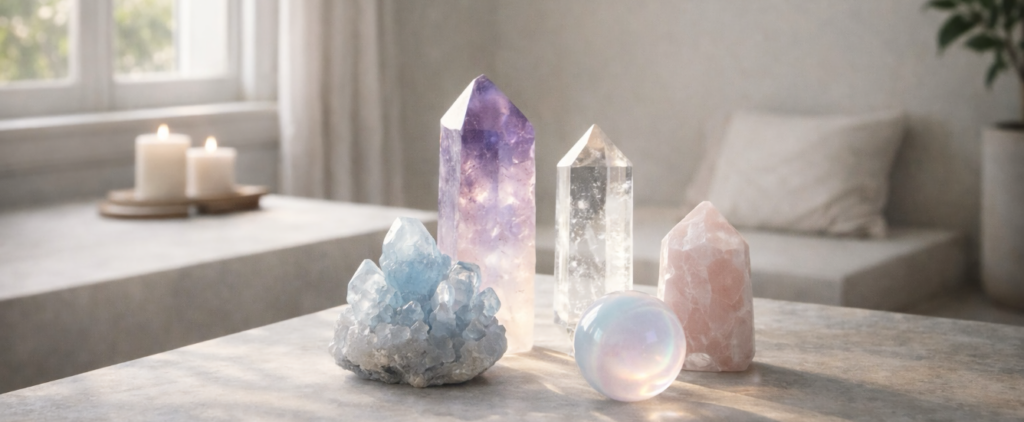
These days, if you visit a home, office, or shop, you are bound to come across certain common Vastu objects. You might see a Swastik symbol at the entrance, a bamboo plant, or a pyramid or crystal object on a desk. However, the interesting thing is that while most people see these objects daily, they are often unaware of their meaning. Are they merely for decoration, or do they hold a deeper significance? Vastu is not just about directions and spatial arrangements; symbolism is also a crucial aspect. Certain objects serve as reminders of positivity, discipline, growth, and balance. This is why these Vastu objects have been a part of people’s homes and workplaces for years. So, today we will discuss 10 popular Vastu objects and understand why people attach so much importance to them. 1. Vastu Pyramid Let’s begin with the Vastu Pyramid. The pyramid is considered one of the most fascinating structures in the world. Due to this unique shape, the pyramid is regarded as a symbol of stability, focus, and concentration. The use of pyramids in Vastu gained popularity because their geometry is considered a balanced structure. Many people place them in study rooms, on office desks, or in various areas of their homes. From a psychological perspective, the pyramid shape symbolizes focus and direction— just as having a vision is necessary for continuous improvement and greater success. For this reason, the pyramid is often seen as a symbol of ambition, growth, and progress 2. Wind Chime Now, let’s discuss wind chimes. Just imagine how peaceful the atmosphere feels when a gentle breeze blows, and you hear the soft sound of a wind chime. In Vastu, sound symbolizes flow and energy within our space. When energy in a space feels stagnant, it naturally leads to a sense of boredom and heaviness. The gentle sound of a wind chime makes the environment feel lively and active. That is why wind chimes are considered symbols of positivity and freshness. However, remember that the purpose of a wind chime goes beyond just the sound it produces. It serves as a reminder that movement and change are essential in life. Where movement ceases, growth slows down. 3. Black Tourmaline Now, let’s look at a Vastu object that is gaining significant popularity these days—Black Tourmaline. Black Tourmaline is a natural crystal stone regarded as a symbol of protection and grounding. In today’s world, we all live amidst stress, negativity, and information overload. Between social media, workplace pressures, and personal responsibilities, we often find ourselves mentally exhausted. It is in this context that people prefer keeping Black Tourmaline in their workspaces or homes. Many believe it serves as a symbolic tool for absorbing negative vibes and keeping the mind grounded. Whether or not you subscribe to beliefs regarding crystals, one thing is clear: when we view an object as a symbol of protection and stability, it can make us feel mentally stronger. For this reason, Black Tourmaline holds a special place on the list of modern Vastu objects. 4. Laughing Buddha Now, about the Laughing Buddha. You may have noticed that the most distinctive feature of the Laughing Buddha is his smile; perhaps that is precisely why he is so popular. In today’s fast-paced world, people chase success so relentlessly that they often forget about happiness. The Laughing Buddha teaches us a simple lesson: while wealth is important, happiness is even more so. His cheerful appearance is considered a symbol of positivity, abundance, and contentment. That is why many people keep one in their homes and offices to create a light and welcoming atmosphere. 5. Lucky Bamboo Plant Now, let’s discuss the Lucky Bamboo plant. If you observe bamboo closely, you will notice that it is incredibly flexible. Whether faced with strong winds, heavy rain, or changing weather, bamboo adapts effortlessly. This very quality makes it a symbol of growth and adaptability. In both life and business, success comes to those who know how to adapt to changing situations; the bamboo plant reminds us of this very lesson. Moreover, green plants naturally make any space feel fresh and vibrant. That is why the bamboo plant is regarded as a symbol of positivity and growth. 6. Crystal Ball The next object is the Crystal Ball. The most distinctive feature of a crystal is its transparency. When light strikes a crystal, it reflects and disperses. For this reason, the crystal is viewed as a symbol of clarity and clear thinking. Whether in business, career, or personal life, confusion often leads to poor decision-making. The crystal ball reminds us that growth becomes difficult without clarity. Many people keep one on their study or office desks, embracing this symbolic meaning. 7. Elephant Statue The elephant has long been a significant symbol in Indian culture and traditions. It is regarded as an emblem of strength, wisdom, and leadership. If one looks at the hierarchy of the wild, the elephant is known for its intelligence and calm demeanor; it possesses great power without resorting to unnecessary aggression. Consequently, the elephant statue is considered a symbol of authority, confidence, and stability. Many business owners and professionals keep elephant figurines in their offices to represent these qualities. 8. Kamdhenu Cow Kamdhenu is revered in India’s ancient traditions. She is regarded as a symbol of abundance, nourishment, and blessings. However, in practical terms, Kamdhenu teaches us the importance of gratitude. Everyone desires growth today, yet without gratitude, growth never feels truly fulfilling. For this reason, the symbolism of Kamdhenu extends beyond mere prosperity; it is also deeply connected to blessings and contentment. 9. Swastik Symbol The Swastik is one of India’s oldest and most powerful symbols. The very word “Swastik” signifies “auspiciousness” or “well-being.” For centuries, this symbol has been used when starting new ventures, during festivals, and on auspicious occasions. Drawing the Swastik is a common tradition whenever a new business is launched or an auspicious event takes place at home.